


Bottle Printing Machine
What is Bottle Printing Machine?
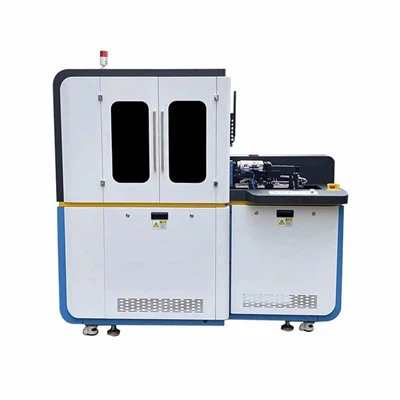
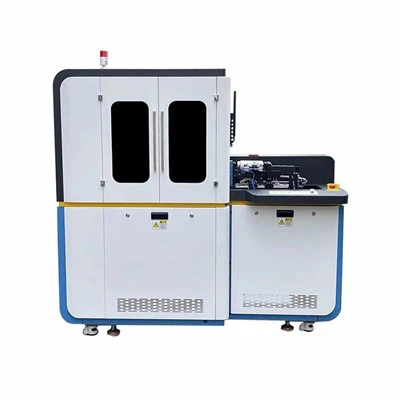
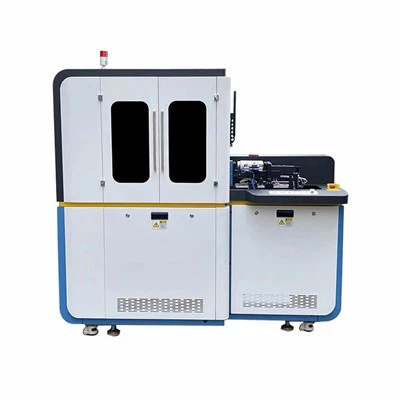
A bottle printing machine, also known as a cylindrical inkjet printer or rotary UV printer, can print directly onto cylindrical items with straight or tapered sides. These machines can be used to decorate a variety of items, including bottles, barware, shot glasses, growlers, stadium cups, and tumblers.
Why Choose Us
Our Factory
We It focuses on the R&D and manufacturing of UV inkjet printers, and has a complete sales and after-sales service system.
Quality Control
High-precision marble platform is used for equipment calibration and inspection, micrometers, plug gauges, vernier calipers and other precise inspection tools are used for inspection and calibration.
Customer Service
We prioritize open communication to address our clients' specific requirements and deliver personalized solutions.
Technical Support
Our team of experts is available to assist with troubleshooting, answer technical inquiries, and provide guidance.
Advantages of Bottle Printing
Bottle printing offers several advantages over traditional labeling methods. Here are some of the key benefits:
High-Quality Labels
The bottle printer applies ink in a controlled and accurate manner, resulting in high-quality prints that are legible, colorful, and eye-catching.
01
Speed and Efficiency
Bottle printers can achieve printing speeds much faster than traditional labeling methods, significantly increasing productivity.
02
Cost-Effective
The initial cost of a bottle printer may be higher, but the long-term cost is significantly lower due to the reduction in materials waste and the need for less maintenance.
03
Flexibility
Bottle printers can be used for a variety of substrates, allowing for flexibility in labeling different types of bottles and containers.
04
Accuracy and Productivity
Bottle printers provide accurate printing registration, ensuring that labels are applied in the right place and at the right angle, resulting in a more efficient production process.
05
What to Look for in a Bottle Printing Machine
Navigating the world of bottle printing can be overwhelming, especially when it's your first endeavor. To help you through the initial stages of research, consult this comprehensive guide as your trusted resource. You've already checked off the first box: narrowing down your market to drinkware! When deciding on a bottle printing machine, focus on three key areas: sourcing your blanks, assessing the machine capabilities, and evaluating the manufacturer's service and support.
Sourcing suitable vessels for printing drinkware is a crucial and challenging aspect. Building a good relationship with a reliable drinkware distributor is vital. As a small startup, without historical data, accurately forecasting demand might seem daunting. However, with growth and time, purchasing the right amount of drinkware blanks becomes achievable. The Goldilocks approach of ordering “just the right” number of blanks to avoid stockouts or excess inventory is within reach!
Investing in a bottle printing machine is a significant undertaking. When evaluating different manufacturers, consider the complete package: the machines offered, service and support, training, and consumables.
A bottle printing machine, commonly referred to as a rotary UV printer or cylindrical inkjet printing machine, can decorate various cylindrical items with straight or tapered sides. Whether it's bottles (wine, water, or beer), barware, shot glasses, growlers, stadium cups, tumblers, and more, these printers can print directly onto them.
Digital decoration using UV cylindrical printers offers numerous advantages over alternative methods like pad printing, dye-sublimation, or screen printing. UV LED lights cure ink instantly, eliminating downtime or the need for an additional drying step.
Choosing the right cylindrical inkjet printer involves considering training and installation for your team. If you're already familiar with printing methods like screen printing, the transition may be easier. However, proper training can significantly flatten any learning curve.
Digital printing extends beyond the machine itself. Consumables such as UV inks and primers are vital to the printing process. These materials depend on the substrate being printed. Having consistent access to fully stocked warehouses for consumables is crucial. Some digital ink companies provide their own ink lines, while others outsource.
Consider the availability of stock at a moment's notice if demand suddenly surges. Warehouse location is another important factor. A digital printer is merely a large paperweight without ink. Asking these questions upfront provides a clear understanding of the company's operations.
Closely related to consumables, replacement parts are also crucial to have on hand or shipped overnight. Hand in hand with service and support, replacement parts and the experience to replace them are necessary to keep down time to a minimum.
How To Print Bottle with UV Printer?
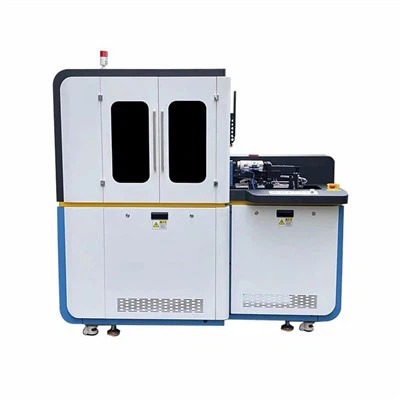
Understand the advantages and capabilities of using a UV printer with a rotary attachment for bottle printing. Explore the types of cylindrical bottles suitable for this printing method and the design possibilities it offers.


Design Preparation:
Learn how to prepare your designs specifically for printing on cylindrical bottles using the UV printer. Discover the techniques to account for the bottle's curvature and ensure accurate placement of the design.
Preparing the UV Printer:
Set up and configure your UV printer with the rotary attachment for bottle printing. Adjust essential printer settings, such as print head height, rotation speed, and curing parameters, for optimal results.
Bottle Preparation:
Properly clean and prepare the cylindrical bottles to ensure a smooth and dust-free printing surface. Consider any pre-treatment or coating requirements for better ink adhesion, depending on the bottle material.
Securing the Bottles on the Rotary Attachment:
Learn how to securely mount the cylindrical bottles onto the rotary attachment of the UV printer. Ensure proper alignment and tight fixation to achieve consistent and precise prints around the entire circumference.
Printing Process:
Load the prepared design into the UV printer software and adjust the positioning for seamless printing on the rotating bottle. Witness the UV printer in action as it deposits UV-curable ink onto the spinning bottle surface, creating vibrant and detailed prints.
UV Curing and Quality Control:
Understand the importance of UV curing to instantly dry and harden the ink on the bottle.Perform quality control checks to ensure color accuracy, sharpness, and overall print quality on the finished bottle.
Finishing Touches:
Explore optional post-printing finishes like varnishes or coatings to enhance the appearance and durability of the printed bottles. Consider additional customization options, such as adding labels or personalization elements, to make the prints truly unique.
How to Print Custom Labels for Wine Bottles
A wine label is much more than a pretty face on a bottle—it's a critical piece of marketing that provides essential information about the wine within. Wine labels include key details such as the brand, type, year, origin of the wine, and producer along with regulatory information that might include alcoholic degree and health warnings.
Understanding the anatomy of wine labels can enhance a consumer's drinking experience and influence their purchasing decisions. This blog will guide you through creating custom wine bottle labels using a printer, allowing you to tailor every detail to fit your personal or business branding needs.
Choosing the right printer is crucial for printing high-quality wine labels. A good label printer should be capable of handling durable, water-resistant materials that can withstand conditions typical to wine storage. Consider factors such as price, printer type (for example, thermal printer/inkjet printer/laser printer), print resolution, color accuracy, and compatibility with different label materials, etc. to ensure the final product resonates with your desired aesthetic.
Which Type of Printer is Best for Printing Wine Bottle Labels?
Among the various types of printers available, portable inkjet printer is often the best suited for printing wine bottle labels. These printers offer excellent color accuracy and resolution, which are essential for creating eye-catching labels that can stand out in a competitive market.
Additionally, their portability allows for easy setup and operation, whether in a commercial facility or a home setting. While inkjet printers are fantastic for their color and detail, it's important to choose models that can handle moisture-resistant inks to avoid smudging or fading, especially in environments where wine bottles may be exposed to humidity or refrigeration.
Before designing your label, it's important to measure the labeling area of your wine bottle. This will help you determine the optimal label size and shape, ensuring it fits perfectly without peeling at the edges or wrinkling. Utilize tools and templates that can guide you in creating a label that complements the dimensions of your bottle.
When selecting label materials for wine bottles, it's important to consider both the aesthetic appeal and the functional requirements based on the type of wine and its storage conditions. Here's how to make the best choice:
Common Label Materials:
Matte Labels: Offer a non-reflective finish that provides an elegant and sophisticated look, ideal for vintage or artisanal wines.
Gloss Labels: Feature a shiny finish that makes colors pop, perfect for modern, vibrant wine branding that aims to attract attention.
Metallic Labels: These can add a premium look with their reflective surface, suitable for high-end wines or special editions.
Considering Wine Features and Storage Environment:
Red Wine: Typically stored and served at room temperature, red wine is less demanding in terms of label durability against moisture. Matte and gloss finishes both work well, depending on the desired aesthetic.
White Wine and Sparkling Wine: Often chilled and stored in cooler conditions, these wines require labels that can withstand moisture without peeling or smudging. Waterproof or water-resistant materials like vinyl or BOPP (biaxially-oriented polypropylene) are excellent choices. These materials ensure that labels remain intact and visually appealing, even when exposed to condensation or brief submersion in ice.
Additional Considerations:
Durability: Beyond moisture resistance, consider UV resistance for wines that may be exposed to sunlight, which can prevent fading.
Texture: Textured labels can add a tactile element to the wine bottle, enhancing the overall sensory experience of the product.
Designing your wine label involves more than just aesthetics; it requires a thoughtful approach to branding and marketing. Consider incorporating elements that reflect the personality of the wine, such as custom artwork, typography, and color schemes that tell a story. Tools and software are available to help even novices create professional-quality labels that can captivate consumers.
Once your design is complete, print a test label using the chosen printer on standard paper to confirm that the design, size, and colors meet your expectations. Ensure the print settings are optimized for the best color and proper alignment. After printing wine bottle labels, apply the labels carefully to avoid bubbles and misalignment, giving your wine bottles a polished and professional look.
Our Factory
Champrint is a high-tech enterprise located in Longhua District, Shenzhen. It focuses on the R&D and manufacturing of UV inkjet printers, and has a complete sales and after-sales service system. Unlike traditional printing methods, uv printers can achieve no plate making, One piece of printing can quickly replace the pictures and print effects that need to be printed, so it can meet the growing demand for personalized customization and will be the future development trend.

