


Printing Machine
What is Printing Machine
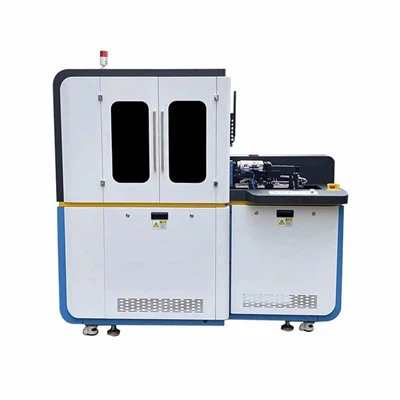
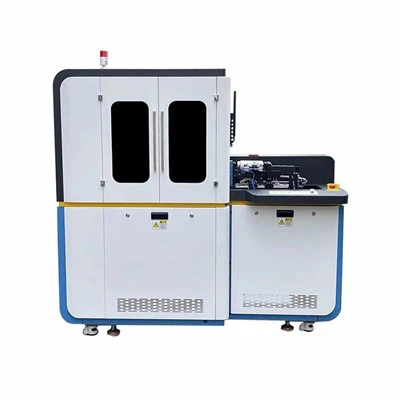
A printing machine, also known as a printer, is a device that transfers text and images from a computer to paper. Printers can vary in size, speed, cost, and sophistication.
Why Choose Us
Our Factory
We It focuses on the R&D and manufacturing of UV inkjet printers, and has a complete sales and after-sales service system.
Quality Control
High-precision marble platform is used for equipment calibration and inspection, micrometers, plug gauges, vernier calipers and other precise inspection tools are used for inspection and calibration.
Customer Service
We prioritize open communication to address our clients' specific requirements and deliver personalized solutions.
Technical Support
Our team of experts is available to assist with troubleshooting, answer technical inquiries, and provide guidance.


The Major Types of Printing Presses
Every business regardless of industry, size, or age, invests in product packaging, marketing materials, or a combination of both. As such, the printing industry and the methods and technology fueling it has seen steady growth over the past several decades.
To meet the growing and ever-changing needs of the industrial, manufacturing, and distribution markets, the printing industry features several different operational methods and types of printing presses, each with its unique use depending on the size, color, effect, and quantity needed.
Digital Printersdigital
Perfect for short to medium runs, these types of printers are controlled using a computer resulting in a very short turnaround time while still being able to produce full-color prints. Digital Inkjet printers can print on a wide variety of substrates including paper, plastic, canvas, or even doors and floor tiles.
Digital printing has low setup costs which also makes it a great option for small print runs. As with any printing press, the quality of your prints depends on the quality of the machine, and it's important to look for machines that can continuously feed the substrate.
In-line inkjet printers are sometimes combined with other types of presses to print variable data, such as the mailing addresses on direct mail pieces.
Screen Printers
Since the 1960s, the screen printing process has evolved greatly with the improvement of technology and materials. screen printer
Screen printing techniques rely on a screen woven into a piece of fabric. Certain areas of this mesh are coated with a non-permeable material which allows ink to be pushed through the mesh onto the substrate from the remaining open spaces.
The advantage of screen printing is that the surface of the recipient does not have to be flat and that the ink can adhere to a wide range of materials, such as paper, textiles, glass, ceramics, wood, and metal. Though the aforementioned process of screen printing is standard, there are two types of screen printing, flat and rotary, that differ slightly in the process.
Offset Printers
Offset lithography, a type of printing method, requires a printing plate, often made from aluminum, which contains an image of the material that needs to be printed. When the plate is inked, only the engraved portion of the printing plate holds ink. That inked image is subsequently transferred (or offset) from the plate to a rubber "blanket" and then onto the substrate.offset
For higher volume work, offset presses use rolls of paper and are so fast that the printed paper needs to be force dried.
Nowadays, offset printers are commonly used to produce books, newspapers, stationery, corrugated board, posters, and more.
Offset generally works with inks that are oil-based along with using some water-based and UV-curable inks. However, one thing to consider about offset is that the plates used in the process are susceptible to oxidation if they're not cared for properly. For this reason, extra maintenance is often necessary to ensure plate quality
Rotogravure Printing Machines
Also known as Gravure, this type of printing works by applying ink to a substrate with the use of a metal plate that is typically mounted onto a cylinder. These plates are often made of copper or chrome. The image or text that is intended for printing is typically laser-etched into the metal plate, a process that often delivers high quality and precise results with good repeatability.
Gravure image carriers are typically much more expensive than Flexo, making the number of prints required to break-even much higher. Gravure, however, has a longer press run time as the cylinders do not require as frequent changing as Flexo. Gravure lead time is usually 3-4 times that of Flexo in the time it takes to manufacture the image carrier.
One of the limitations of gravure printing is that it is generally better suited for porous substrates. This is one of the reasons that gravure is best suited for high-detail printing on applications such as magazine covers.
How Do Heat Transfer Printing Machines Work?
The heat press process involves a straightforward series of steps:
Design Creation: Begin by creating or obtaining the desired design using graphic design software or by sourcing pre-made designs.
Printing: Print the design onto transfer paper using a compatible printer and ink. Ensure the design is reversed, as it will appear mirrored on the final product.
Preparing the Heat Press: Set the desired temperature and time on the control panel of the heat press. The optimal settings vary depending on factors such as the material being used and the type of transfer paper.
Positioning the Design: Place the transfer paper with the design facing down onto the surface to be printed. Secure it in place using heat-resistant tape if necessary.
Applying Heat and Pressure: Close the heat press and allow it to apply heat and pressure to the design and the substrate. The combination of heat and pressure activates the transfer process.
Transfer Completion: Once the set time has elapsed, open the heat press and carefully remove the transfer paper. The design should now be successfully transferred onto the substrate.
Which Food Industries Can Plastic Cup Printing Machines Be Used For?
Plastic cup printing machines have many applications in the food industry. It can be used to print various types of plastic cups. Plastic cup printer machines provide personalized packaging and labeling for different food products. Here are some application areas for plastic cup printing machines in the food industry.
Printed Plastic Cups in The Beverage Industry
Beverage companies are always looking for ways to stand out in the market. Plastic cup printers can be used to print beverage cups. Such as juice cups, milk tea cups, and coffee cups. These cups are commonly used to package various beverages. The machine to print on plastic cups can print brand logos, product information, patterns, and attractive designs on the cups. It can enhance the brand image and market competitiveness of the product.
People continue to order a variety of drinks online. Businesses are constantly looking for innovative ways to bring their products to market. Plastic printed cups provide unique branding opportunities and serve as an additional avenue for advertising.
Printed Plastic Cups in The Ice Cream And Cold Drinks Industry
The plastic cup printer machine can be used to print ice cream cups and cold drink cups. These cups are typically used to hold products such as ice cream, smoothies, cold drinks, and more.
Manufacturers can use plastic cup printers to print various attractive patterns, flavor logos, product introductions, and other content on the cup surface. It enhances the appeal and recognizability of the product. In addition, they can also print additional information, such as nutritional ingredients, consumption methods, production dates, etc., on plastic cups. It helps consumers better understand the product and enhance purchasing confidence.


Printed Plastic Cups in The Convenience Food Industry
The plastic cup printing machine can print convenience food cups, such as cup noodles, cup soup, and cup noodles. These cups are often used for convenience food packaging. The printing machine can print product name, flavor, heating method, nutritional content, and other information on the cup. Such a design can help consumers better understand the product and provide usage suggestions. It helps to enhance consumers' trust in the product and increase their desire to purchase.
In addition, printing production dates, shelf life, ingredient lists, and other information on plastic cups can help consumers understand the quality assurance and safety of the product. It can increase consumer trust in the product.
Printed Plastic Cups in The Dessert And Snack Industry
Plastic cup printing machines can print dessert cups and snack cups. These cups are usually used to carry various desserts, snacks, and other products. The plastic cup printer can print dessert names, tastes, ingredients, production dates, and other information on the cup.
By printing beautiful designs and messages on plastic cups, you can enhance your product's overall feel and value. Consumers tend to buy products that are attractive and beautifully printed. Good printing, therefore, increases the perceived value of the product.
Factors to Consider When Choosing a Printing Method for Paper Cup Advertising
Print Quality: The level of detail and vibrancy needed for your design impacts the choice of method. Offset printing excels in intricate details, while digital printing offers versatility in color reproduction.
Cost Consideration: Each printing method comes with varying setup costs, production costs, and economies of scale. Assess your budget and the scale of your campaign to determine the most cost-effective choice.
Quantity: If you require a large volume of cups, flexographic printing might be economical due to its high-speed production capabilities. Digital printing is suitable for smaller quantities or personalized runs.
Timeline: Consider the turnaround time for your campaign. Digital printing offers quick production, making it ideal for time-sensitive projects, while other methods might require longer lead times.
Design Complexity: Intricate designs with gradients and fine details may be better suited for methods like offset or digital printing. Simpler designs could be effectively executed using flexographic or screen printing.
Brand Identity: Your brand's identity and values play a role in the choice of printing method. For premium brands, offset printing might convey sophistication, while eco-conscious brands could opt for sustainable digital or flexographic printing.
Durability and Environment: If durability is paramount, consider methods that offer resistance to wear, fading, and water. Additionally, consider eco-friendly options with minimal environmental impact, such as digital or water-based flexographic printing.
Print Customization: If personalization is key, digital printing allows for on-demand customization, enabling unique designs for each cup. Other methods might require additional setup for each design variation.
Branding Consistency: If maintaining consistent branding across a large chain of outlets is essential, methods like flexographic printing can ensure uniformity in design and quality.
Our Factory
Champrint is a high-tech enterprise located in Longhua District, Shenzhen. It focuses on the R&D and manufacturing of UV inkjet printers, and has a complete sales and after-sales service system. Unlike traditional printing methods, uv printers can achieve no plate making, One piece of printing can quickly replace the pictures and print effects that need to be printed, so it can meet the growing demand for personalized customization and will be the future development trend.

